
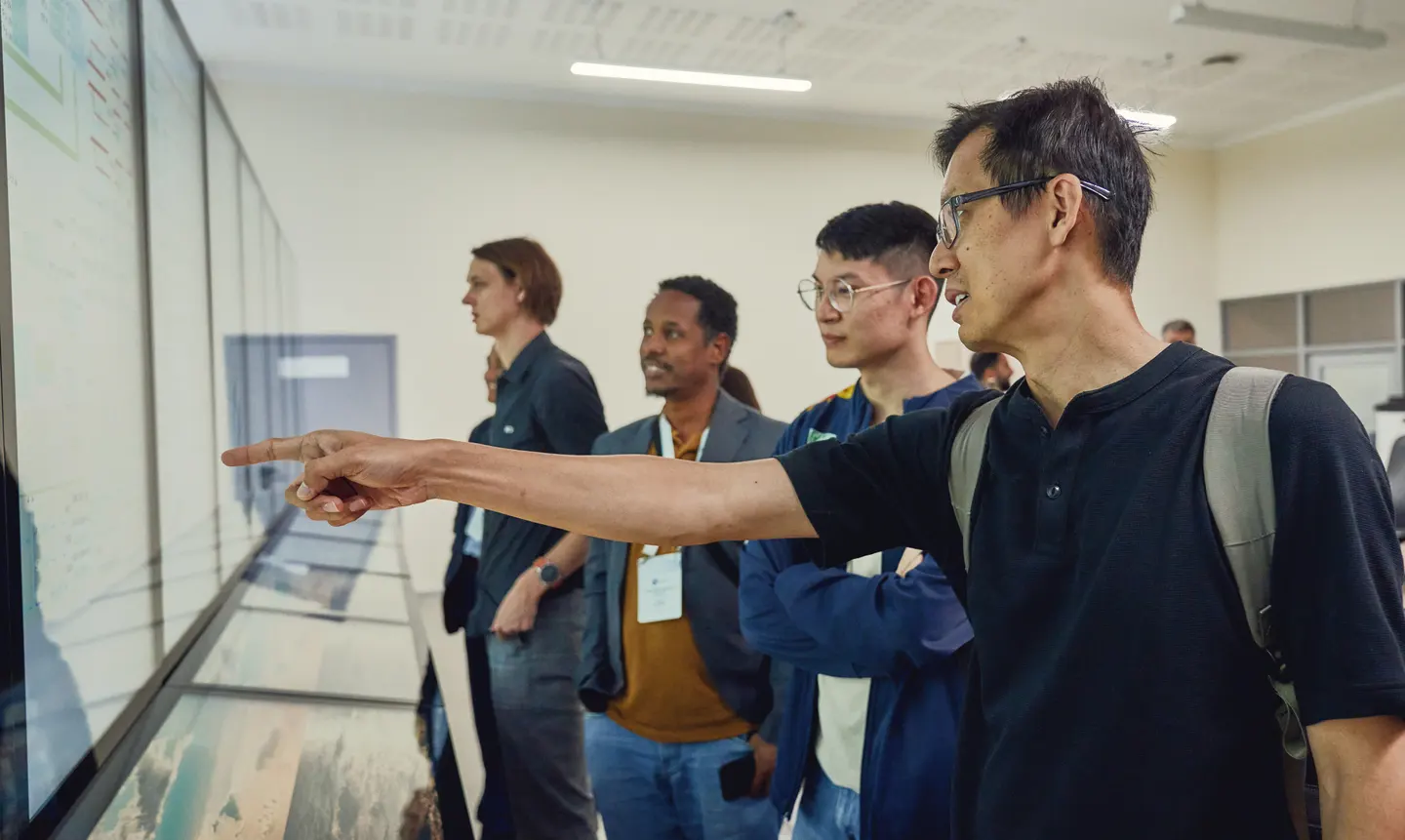
The IAEA Interregional Training Course on Establishment of an Owner/Operator for a New Nuclear Power Programme was held at the Moscow branch of the Rosatom Technical Academy. The event, hosted by the Government of the Russian Federation through Rosatom Technical Academy, took place from July 20 to 24, 2026. The course brought together 18 specialists from 15 countries in Asia and Africa — representatives of national nuclear organizations, regulatory bodies, and relevant ministries who are responsible for creating and developing nuclear infrastructure in their respective countries.
“Without an effective management system, qualified personnel, and well‑structured processes for interaction with suppliers and the regulatory body, it is impossible to ensure the sustainable development of nuclear power,” said Yuri Seleznev, Rector of the Rosatom Technical Academy.
The training course was designed to provide participants with a comprehensive understanding of the processes involved in establishing and developing an NPP owner/operator organization. The five‑day programme covered licensing, change management, and preparation of a feasibility study. Key discussion topics included developing personnel competencies, building organizational structures, and contractual work — all essential for the successful implementation of NPP projects and an effective transition to the operational phase.
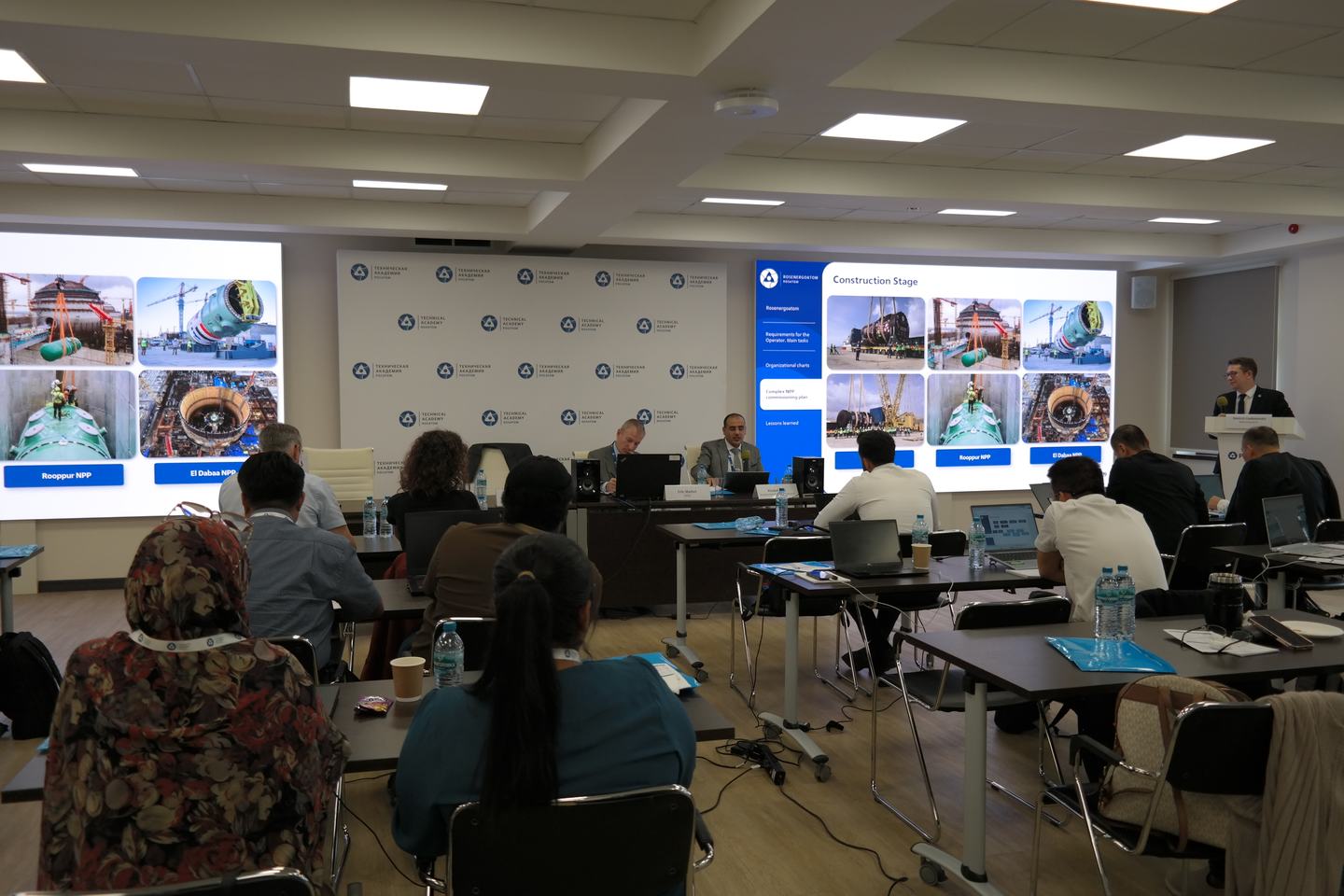 “The engagement of participants, IAEA experts, and host country specialists created an effective learning environment enabling valuable exchanges on how engineering, procurement and construction contractors and owner-operators can work together to successfully deliver nuclear power projects in newcomer countries,” sharing his impressions of the course Eric Mathet, Operational lead, NENP-NIDS.
The IAEA conducts these training courses in Member States throughout the year as part of its efforts to support capacity building and the exchange of international experience for the safe, secure and sustainable development of nuclear power programmes worldwide. The programme included a technical tour to the head office of the Rosatom Technical Academy in Obninsk. Particular interest was generated by the demonstration of an analytical simulator and the review of a real emergency scenario, including the practice of measures to bring the power unit to a safe state. This allowed foreign specialists to visually assess Russian approaches to the training of operational personnel.
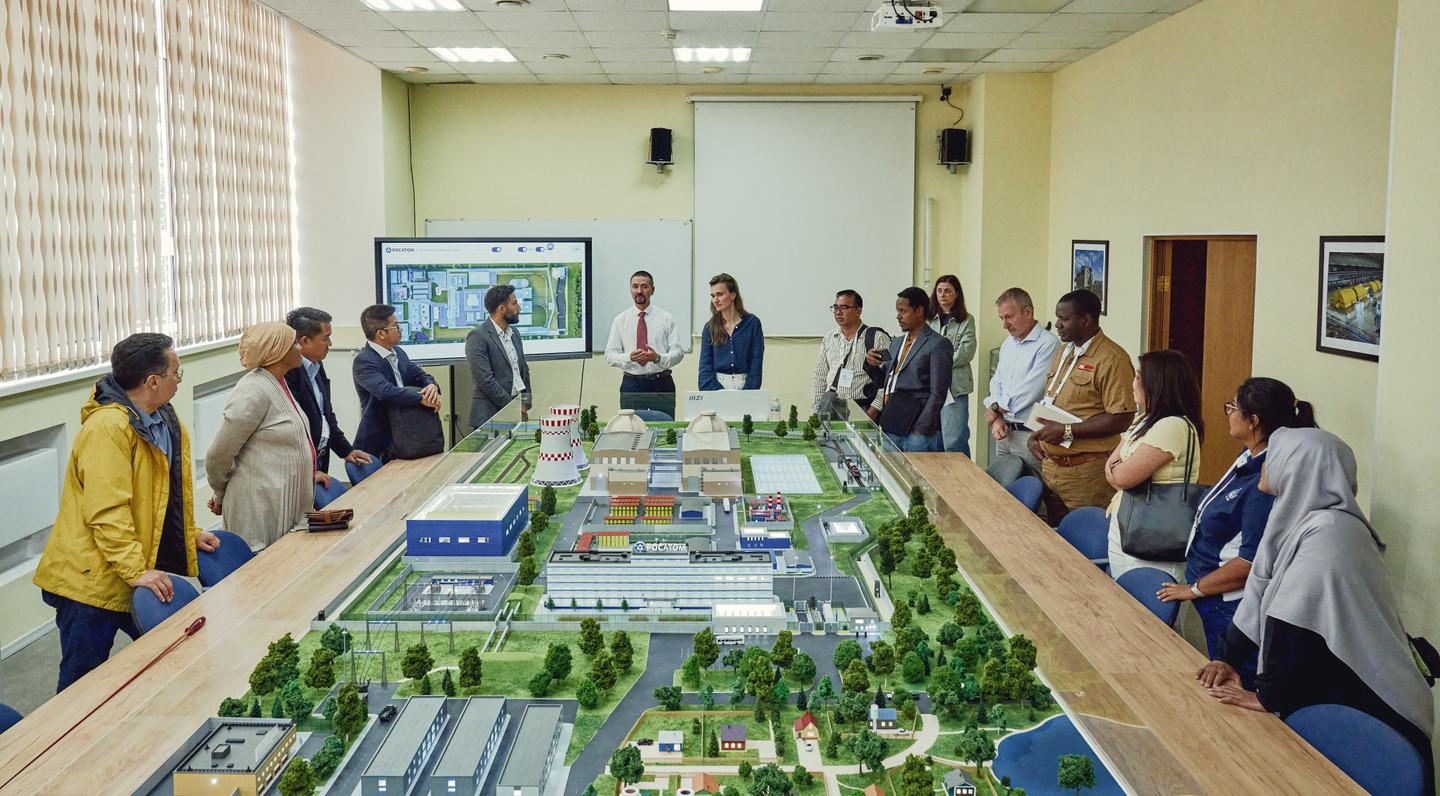 Upon completion of the course, all participants received certificates. The course confirms the high demand for educational initiatives aimed at fostering a systematic approach to nuclear infrastructure development. Joint Rosatom and IAEA projects lay a solid foundation for international cooperation and the exchange of best practices in nuclear project management.
“Participating in the IAEA training course on the establishment and development of an owner/operator organization for new nuclear power programs was not only an opportunity to deepen my professional knowledge but also an important practical step in working on the project for the first NPP in Kazakhstan. The technical tour to the head office of the Rosatom Technical Academy in Obninsk was of particular interest. Working with simulators and training devices clearly demonstrated the high level of modern personnel training technologies. A detailed insight into the analytical simulator and management processes once again confirmed that high‑quality, systematic staff training is one of the fundamental conditions for the reliable, safe, and efficient operation of a nuclear power plant. Today, Kazakhstan is at a crucial stage in the development of its nuclear power industry. The owner/operator organization for the NPP project has already been established, and now it is especially important to consistently build its competencies, form a professional team, develop a personnel training system, and implement the best international practices. In this regard, it is important to note the fruitful cooperation with the IAEA, as well as practical collaboration with the Rosatom State Corporation as a partner in implementing the first NPP project. I am convinced that the knowledge and experience gained during the course will be valuable in future work and will contribute to the sustainable and safe development of Kazakhstan’s nuclear power industry,” said Vasily Lavrenov, Deputy Chairman of the Agency for Atomic Energy of the Republic of Kazakhstan.