
“At Rosatom, safety culture is built on the overriding priority of safety and the personal responsibility of every employee for their decisions and actions. Rosatom Technical Academy provides training in safety culture, helping managers and professionals apply its principles in their daily work. Joint courses with the IAEA enable us to share our accumulated experience and exchange practices for developing safety culture with colleagues from different countries,” said Viktor Mazepov, Director for International Cooperation at Rosatom Technical Academy.
The programme brought together representatives of regulatory bodies, atomic energy agencies, operating organisations and research institutions. The participants’ diverse professional backgrounds provided a basis for discussing a common question: how do management decisions and the work of leaders affect safety?
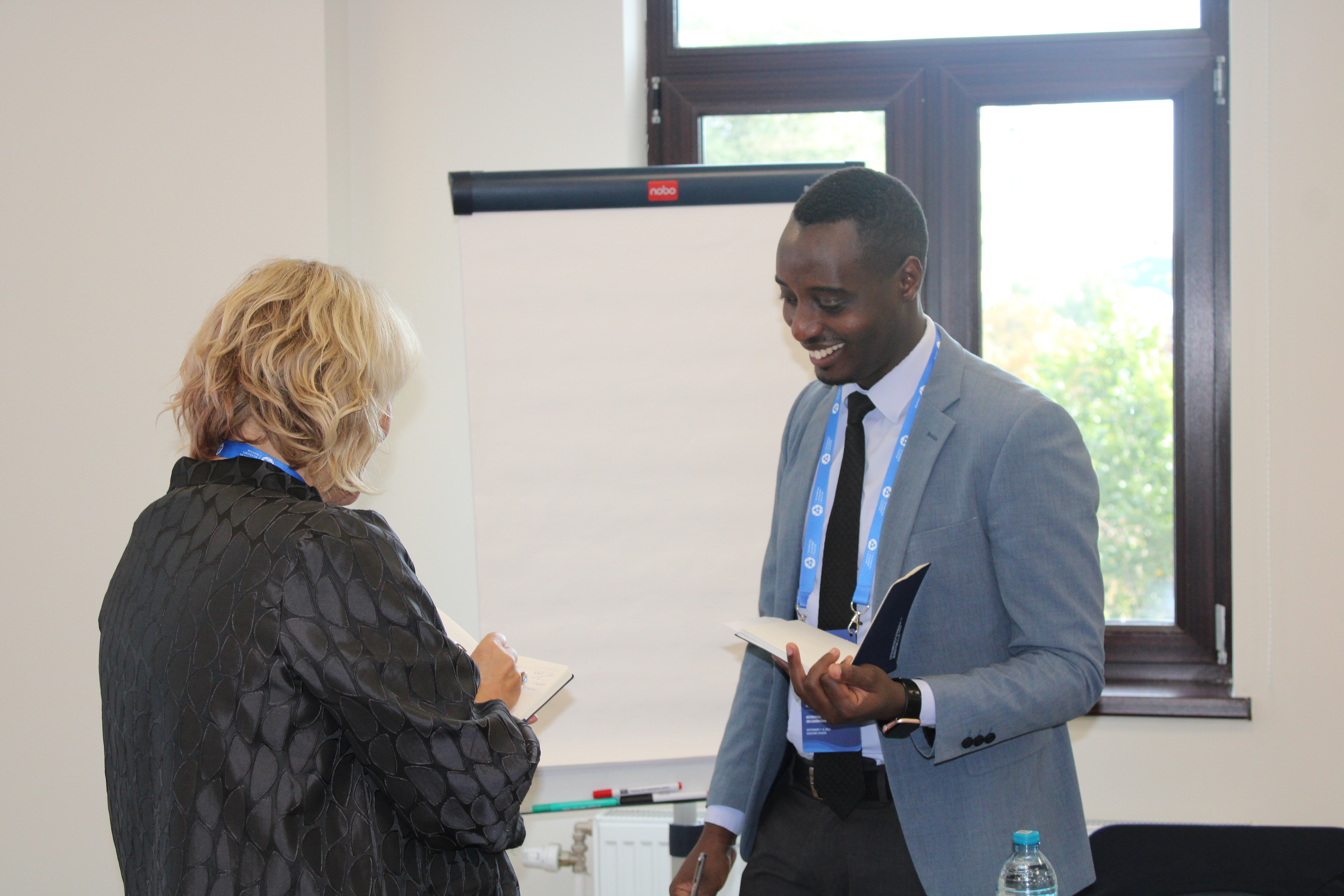
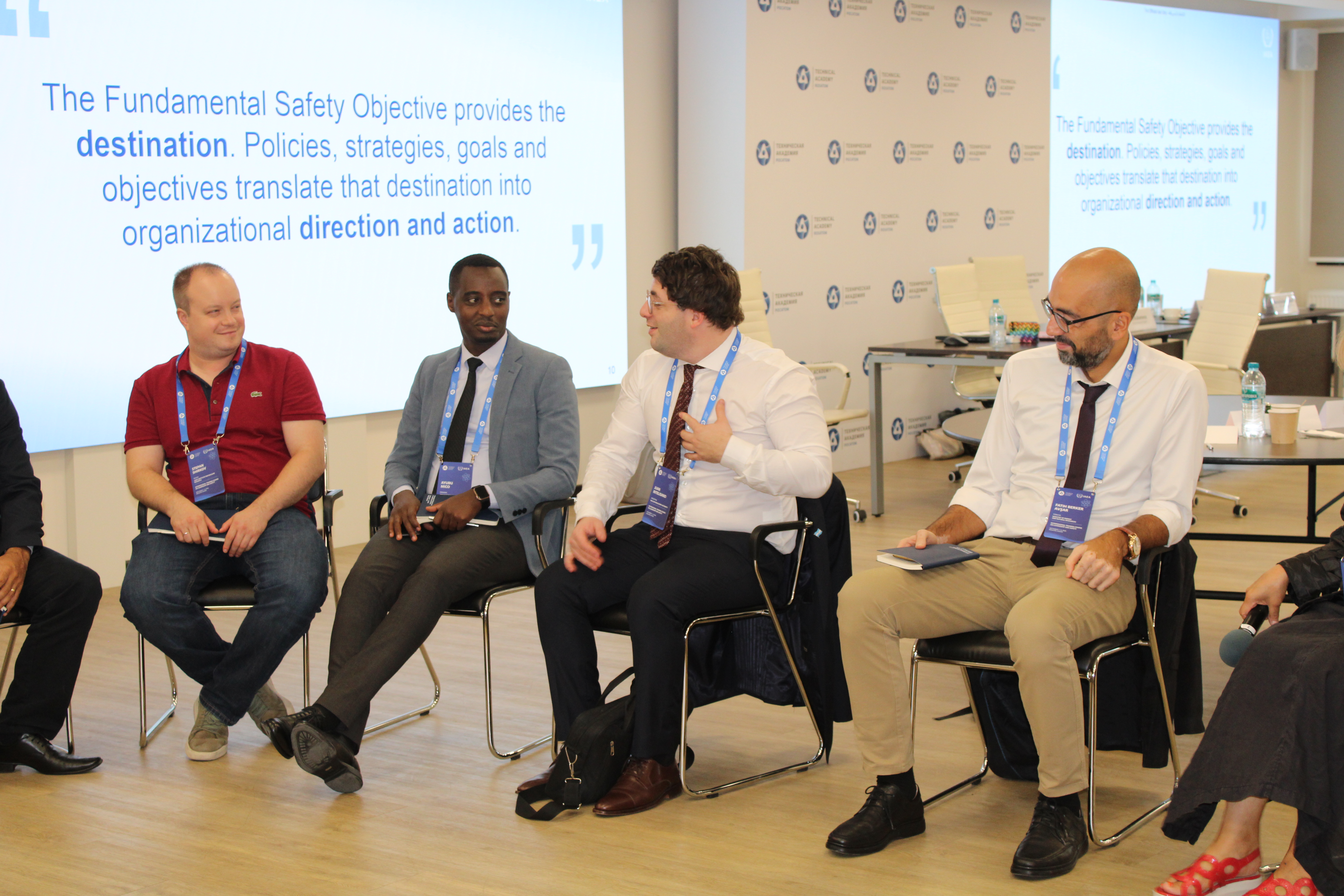
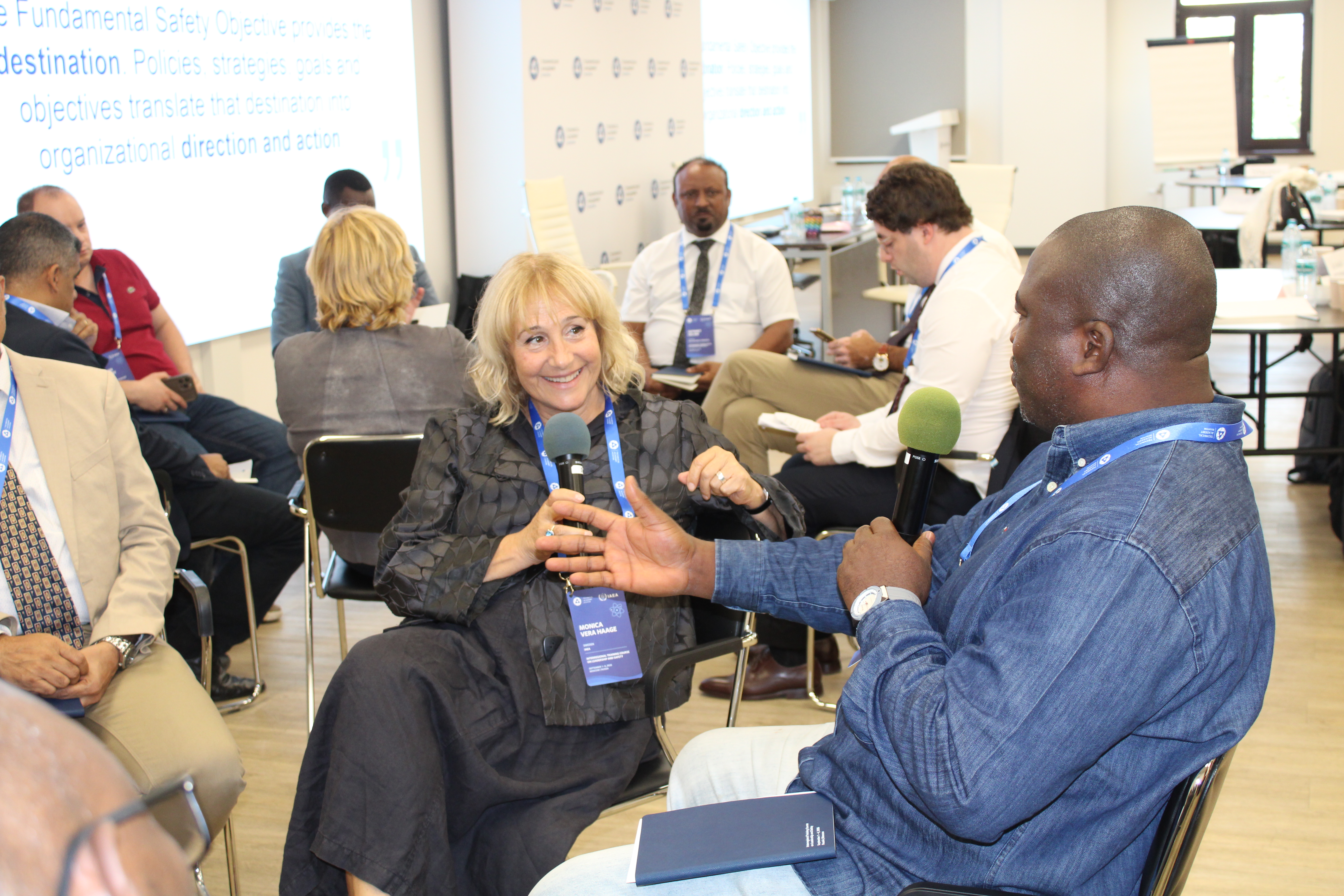
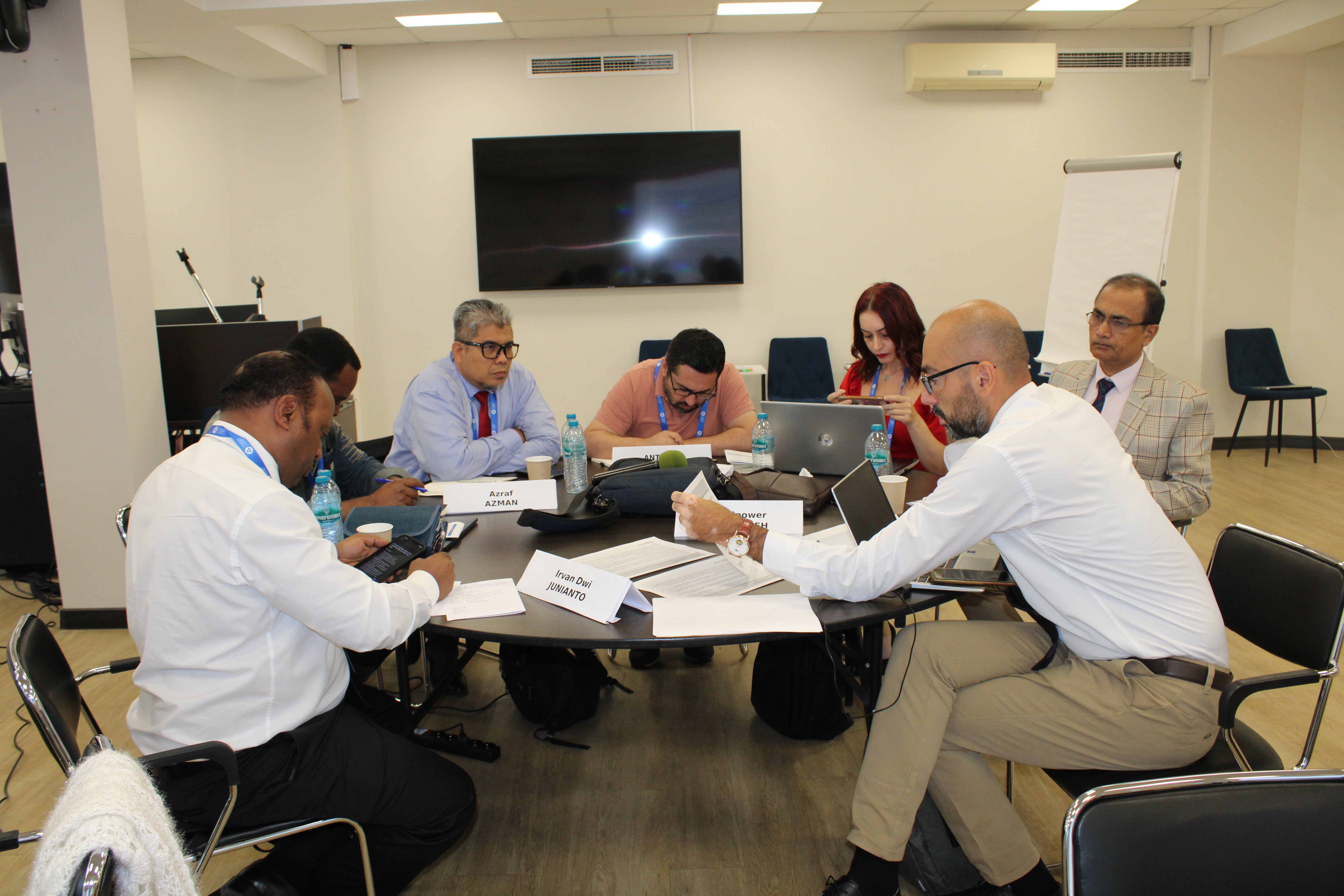
Participants explored this question by comparing the requirements of IAEA Safety Standards Series No. GSR Part 2, Leadership and Management for Safety, with practices in their own organisations. Interactive activities accounted for nearly half of the programme — more than 12 academic hours. Working in small groups, participants compared management systems, analysed workplace situations and discussed leadership in a multicultural environment.
“Training is not simply about transferring knowledge; it is about planting seeds for future leaders while also sharpening and enriching those who already bring years of experience. I came here hoping to leave something meaningful with the participants, but I’m leaving with something meaningful myself. And I think that is what made this experience so special to me,” said Meera Hesham Almheiri, a specialist at the United Arab Emirates’ Federal Authority for Nuclear Regulation (FANR).
Particular attention was given to new nuclear power plants: building a safety culture begins long before they enter operation. Participants discussed how to address safety considerations in personnel training, preserve knowledge and establish effective cooperation with suppliers during nuclear power plant construction.
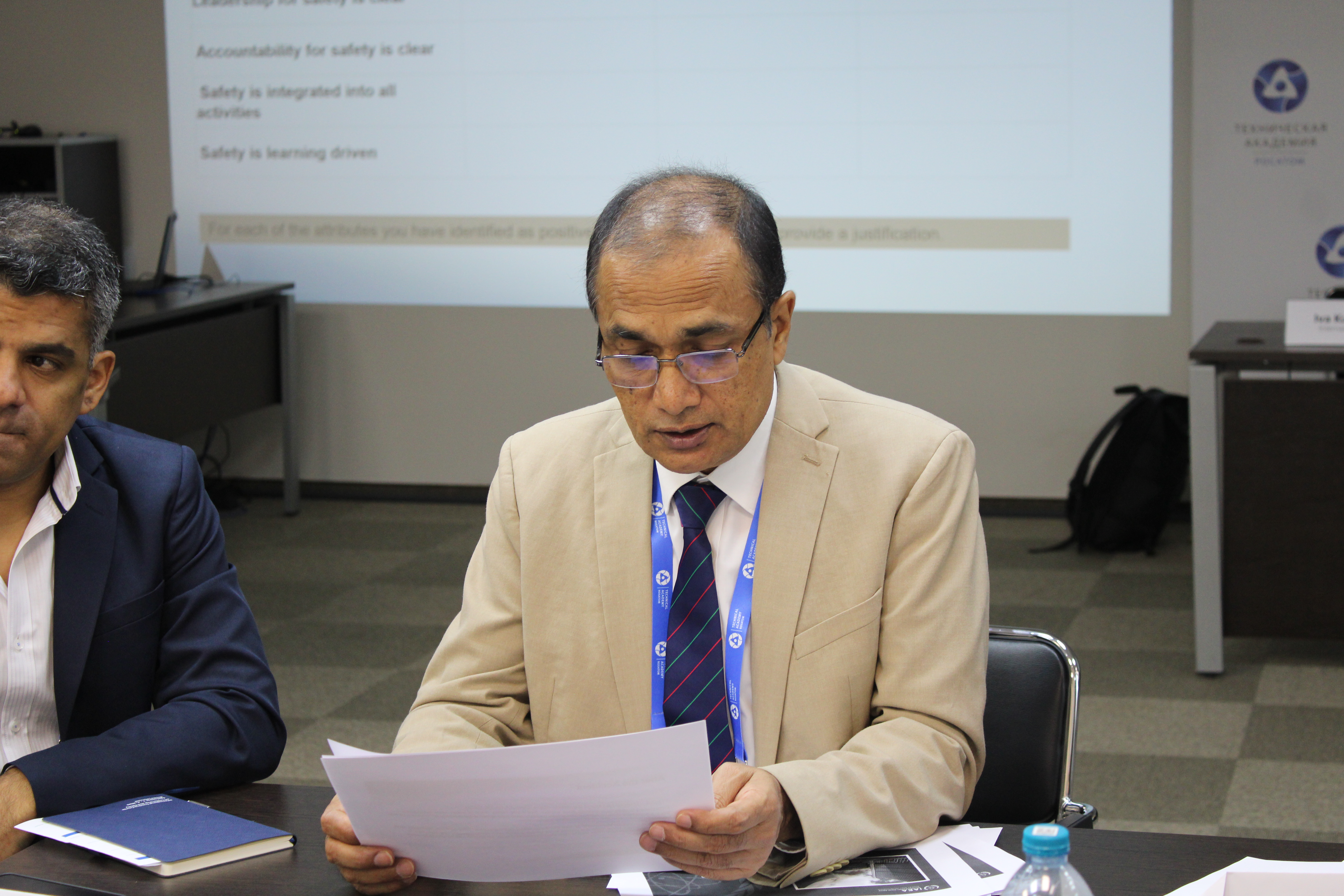
“The training enhanced my understanding of the interrelationship between the Quality Management System and the overall Management System, effective Knowledge Management, the training and qualification of staff, and supply chain management. I also gained valuable insights into the characteristics of dynamic leadership for safety, fostering a strong safety culture during the pre-operational phase, and the importance of lessons learned in ensuring continuous improvement,” said Md. Ashraful Islam, Site Director of Rooppur Nuclear Power Plant.
The exchange of experience continued on the final day of the course, when participants examined approaches to safety culture assessment and shared their key takeaways from the four days of training.