
The School is taking place from 24 to 29 August and brings together specialists from countries across Asia, Africa and Latin America who are interested in developing national programmes for small-scale nuclear power. Participants include representatives of nuclear organisations, regulatory authorities and relevant government bodies.
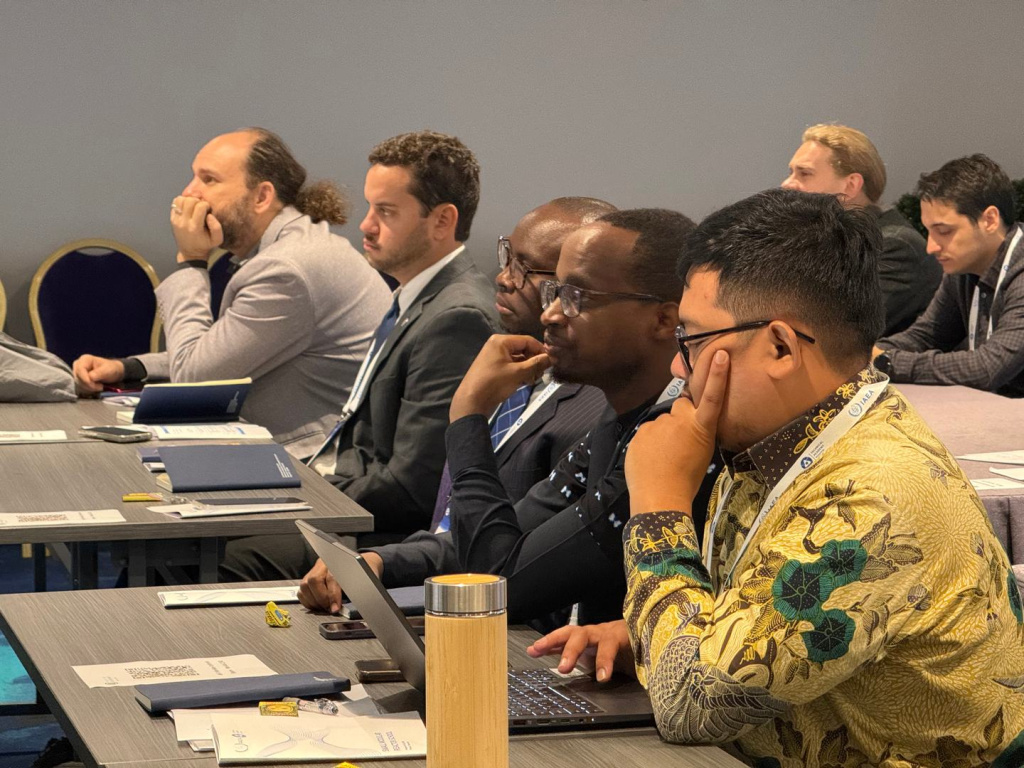
The School is being held within the framework of the agreement between Rosatom and the IAEA on an extrabudgetary contribution to support the Agency’s projects aimed at national capacity building. Rosatom Technical Academy as an IAEA Collaborating Centre is the main organiser of the event.
As repeatedly highlighted in IAEA reports, small modular reactors are considered a promising area of nuclear energy development, particularly for countries with small power grids and limited infrastructure. SMRs can provide access to clean and reliable energy in remote and hard-to-reach areas and can also serve as an effective tool for industrial decarbonisation.
The aim of the School in Murmansk is to provide a platform for dialogue between technology providers and representatives of countries considering the deployment of small modular reactors.
“For me, taking part in this SMR training programme in Russia is a valuable opportunity to learn from a country with practical experience in developing, deploying and operating SMR technologies. I believe that the knowledge and experience gained here will help us develop the highly qualified national workforce needed for the safe and efficient implementation of Myanmar’s future SMR programme” said Aung Khang Linn, Deputy Director of the Department of Atomic Energy of the Ministry of Science and Technology of Myanmar.
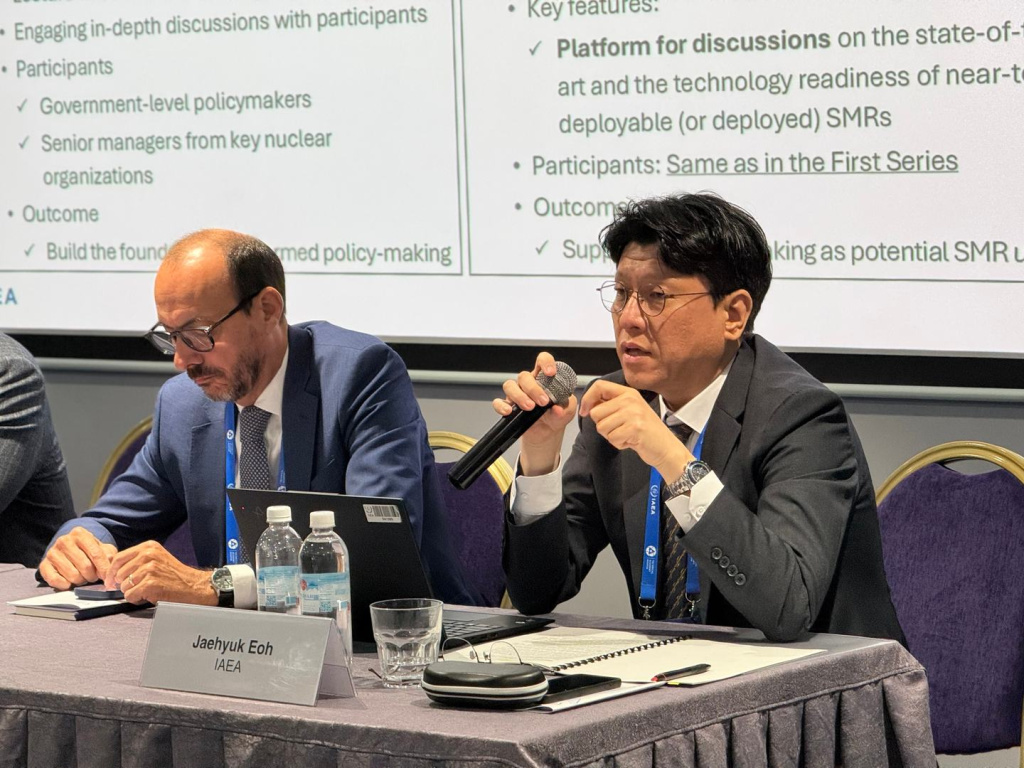
The participants will discuss the current state of SMR technology development, the level of technological readiness for practical deployment, and prospects for deployment in the coming years. The programme covers a wide range of topics, from IAEA initiatives supporting SMR deployment and regulatory frameworks to nuclear security considerations in the global deployment of SMRs and design requirements for nuclear power units.
“The implementation of SMR projects requires not only advanced technical solutions, but also qualified personnel and well-developed nuclear infrastructure. Rosatom Technical Academy plays a special role in this area by training specialists and sharing Russia’s accumulated experience with international partners,” noted Alexander Shutikov, Director General of Rosenergoatom JSC.
Key topics of the School include Russia’s experience in SMR deployment, including the KLT-40S and RITM reactor technologies, as well as the unique operating experience of the world’s first floating nuclear power plant. Particular attention will be paid to advanced reactor technologies, including the BREST-OD-300 project, as well as small-scale nuclear power in the context of the global energy transition.
“Small modular reactors are moving from the stage of prospective development to practical application, and as these technologies advance, the demand for qualified personnel is also growing. As an IAEA Collaborating Centre in the field of SMRs, Rosatom Technical Academy has unique practical experience. The Academy trained the first crew of specialists for the world’s only floating nuclear power plant, the «Akademik Lomonosov». Today, we are using this experience to train personnel who will support the implementation of new small NPPs projects in Russia and other countries,” said Yuri Seleznev, Rector of Rosatom Technical Academy.