
The event brought together 18 specialists from 14 countries, representing regulatory bodies, operating organizations, research centres and universities.
The programme focused on one of the promising formats of modern nuclear energy — compact reactor systems. Participants explored the potential applications of microreactors in remote areas, autonomous energy systems and the maritime sector, as well as for heat and hydrogen production and water desalination.
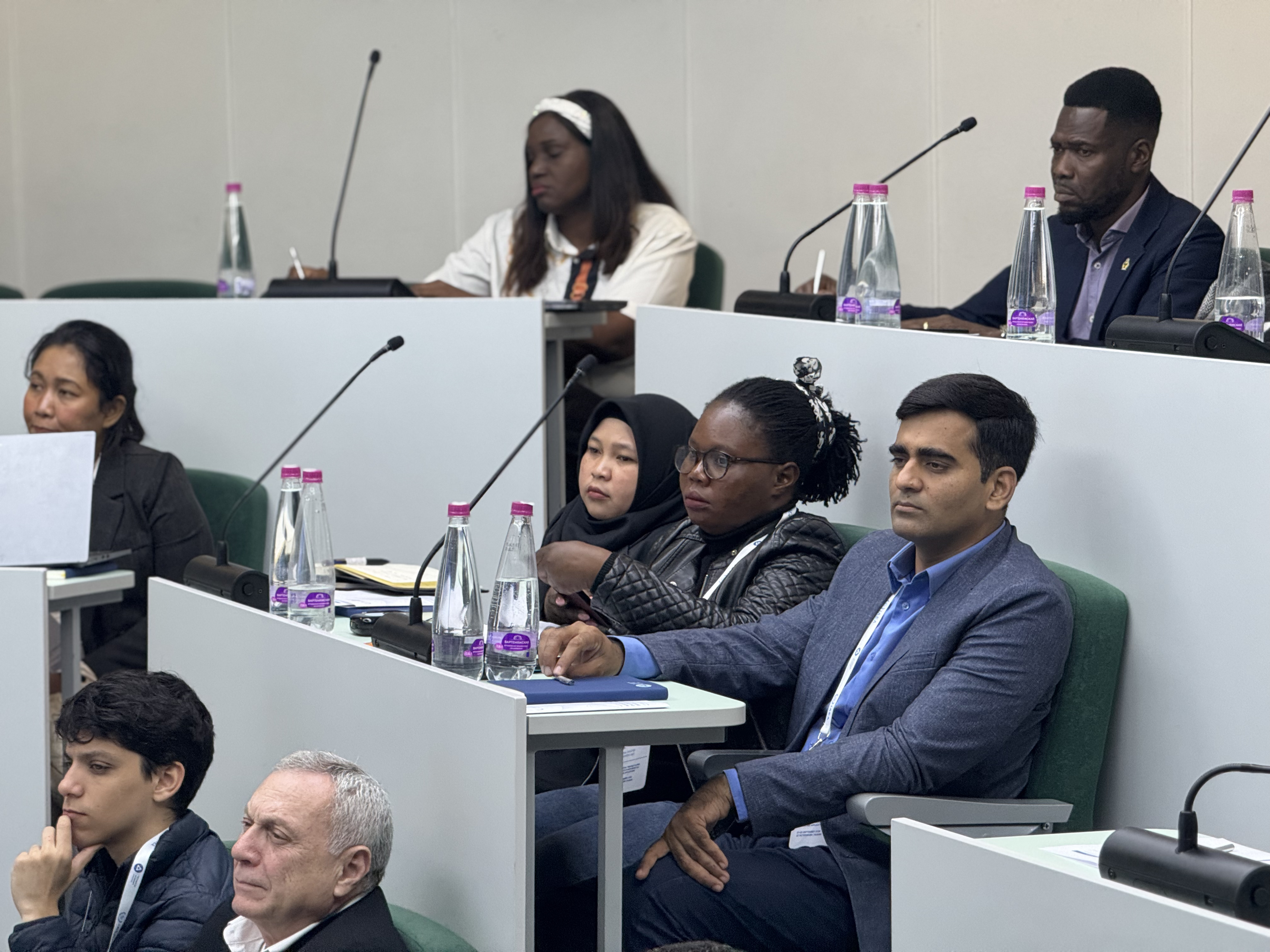
Over the five days, participants examined the key aspects of moving from a microreactor concept to its practical implementation, including nuclear infrastructure development, legal aspects, safety and licensing, fuel selection, personnel training, the use of artificial intelligence, cybersecurity and remote operation.
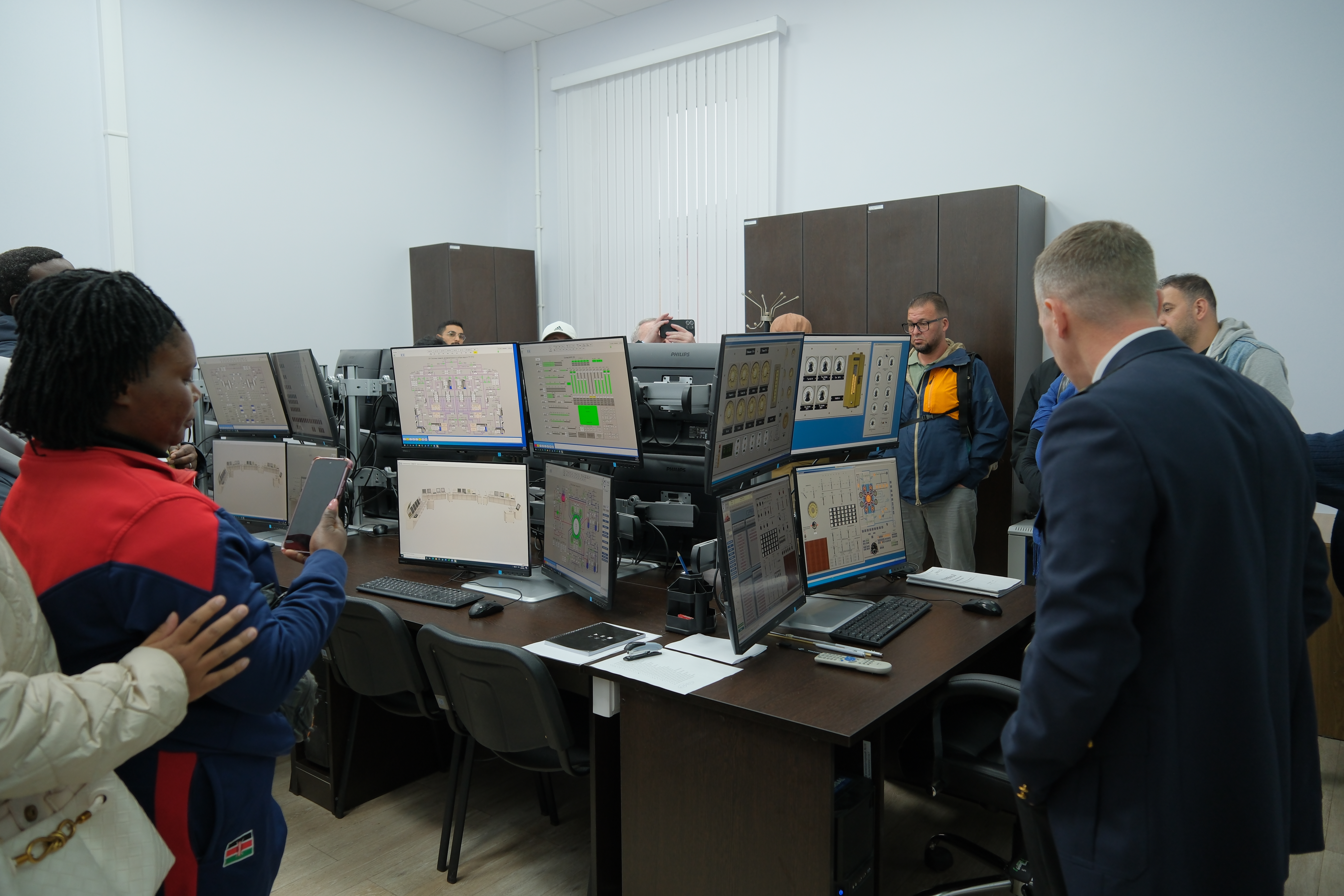
“Russia has a long history with nuclear power and with the development of microreactors. The country is exploring new uses for nuclear power, including transportable power plants and nuclear-powered icebreakers, which are very relevant to the development of microreactors. Having the opportunity to visit concrete developments in the market is powerful, it lets people understand and see with their own eyes. We visited the Baltic Shipyard and the Admiral Makarov State University of Maritime and Inland Shipping, where sailors and operators of nuclear icebreakers are trained,” said Dandara Araujo da Silva, Associate Nuclear Engineer, SMR-TD, IAEA.
Experts from the IAEA, Rosatom Technical Academy, JSC NIKIET, Pohang University of Science and Technology (POSTECH) in the Republic of Korea, and Tsinghua University in China contributed to the course.
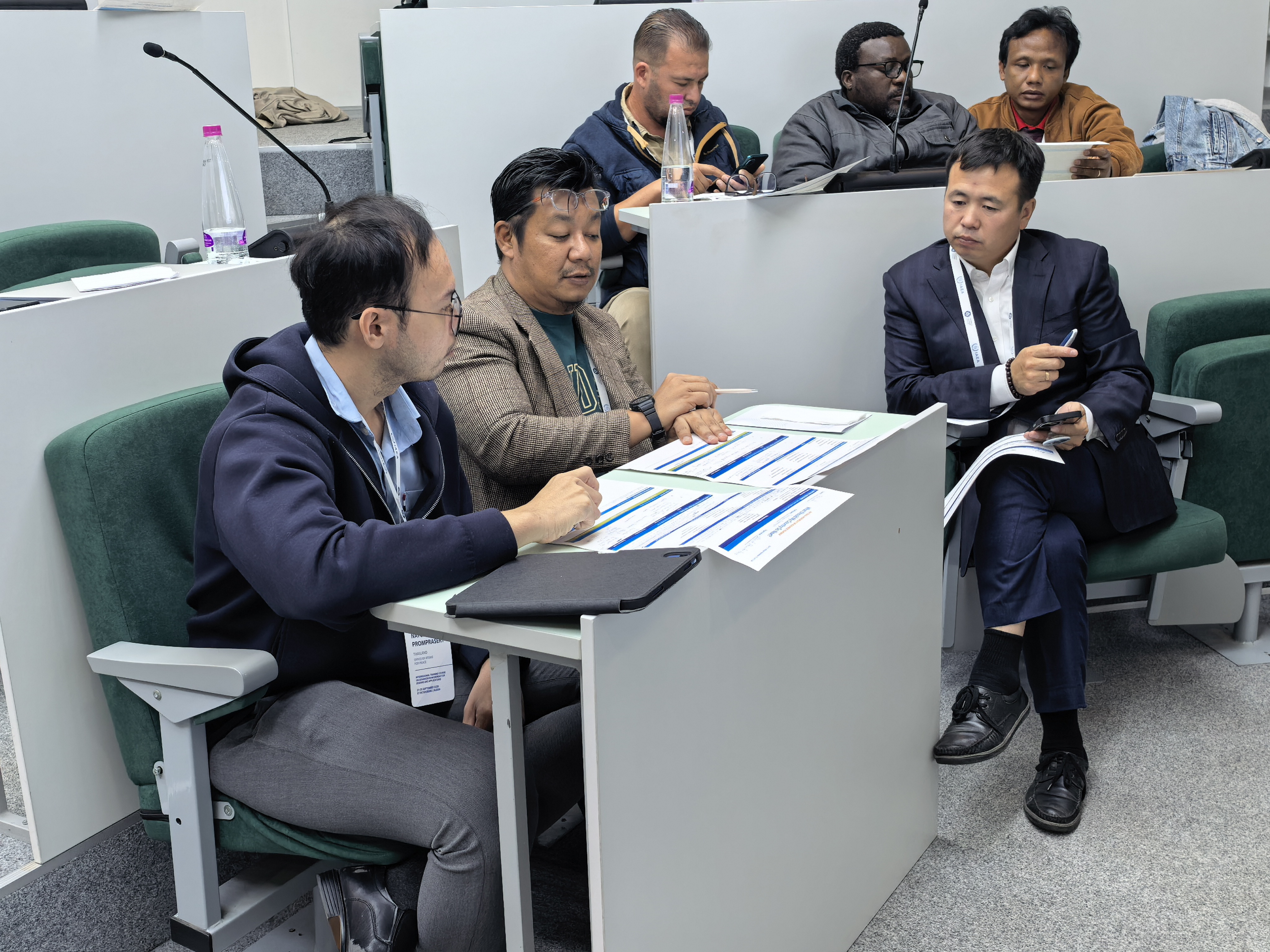
In addition to lectures, the programme included interactive sessions. Participants compared the characteristics of microreactors with potential application scenarios and assessed the readiness of projects for implementation.
“The lectures provided a strong theoretical foundation and introduced us to a wealth of IAEA publications for further study. The interactive workshops and case studies gave us opportunities to apply what we had learned and exchange experiences with participants from other countries. The discussions on design options, safety, licensing, remote operation and deployment pathways are directly relevant to my work on microreactor development in Brazil. The course reinforced my view that microreactors have the potential to transform the nuclear industry in the years ahead, particularly through applications in remote locations,” said Adolfo de Aguiar Braid, Project Lead at Terminus Energia, Brazil.
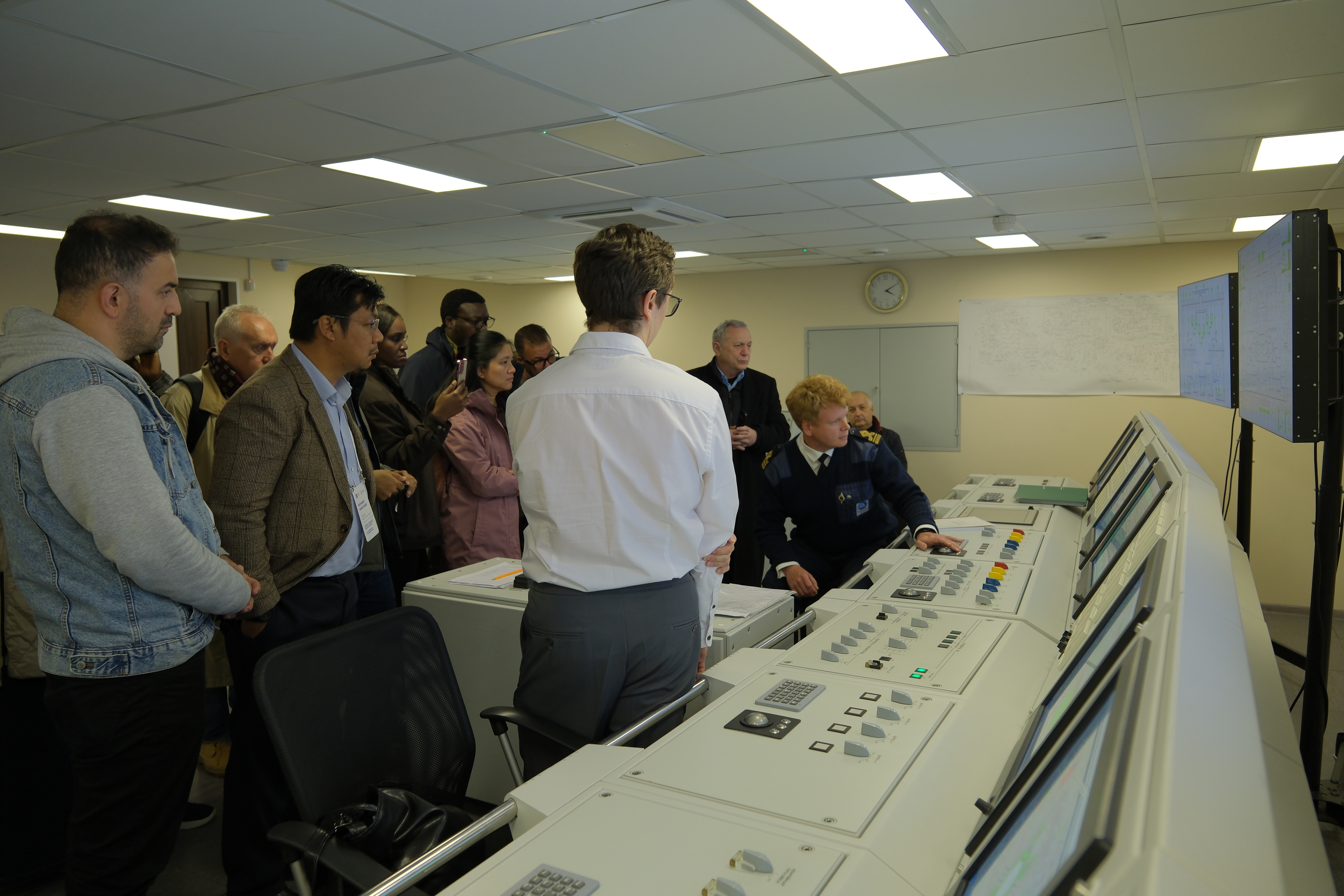
Technical tours provided a practical continuation of the training programme. At the Baltic Shipyard, participants learned about the unique technology of using small reactor systems in floating applications, including the work of the hull processing and assembly and welding workshops, and also saw the Project 22220 nuclear-powered icebreakers currently under construction.
During a visit to the Admiral Makarov State University of Maritime and Inland Shipping, participants toured the Arctic Maritime Competence Centre, learned about the specific features of nuclear-powered icebreaker operations along the Northern Sea Route, and explored the system used to train crews of ice-breaking vessels equipped with nuclear power plants on a full-scale simulator.
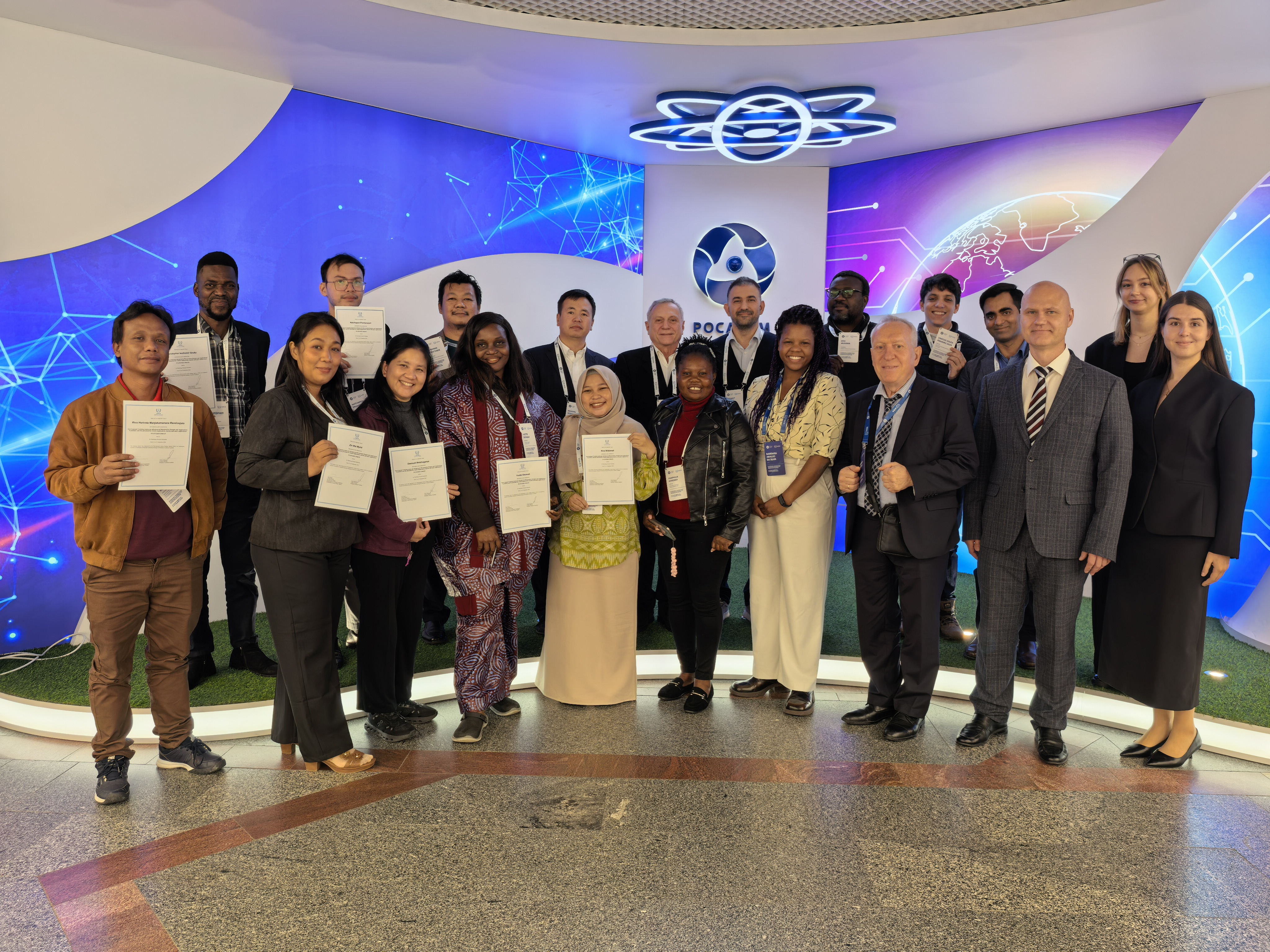
“As an IAEA Collaboration Centre, Rosatom Technical Academy places particular importance on providing opportunities for specialists to develop expertise in advanced nuclear technologies. Areas such as microreactors require not only a strong understanding of technological solutions and safety requirements, but also exposure to practical industry experience. We therefore designed the programme to combine expert lectures, hands-on sessions and visits to relevant facilities. This comprehensive approach enables participants to better understand both the potential of microreactors and the practical conditions for their future deployment,” said Viktor Mazepov, Director for International Cooperation, Rosatom Technical Academy.